- icy@wzhgroup.com
- +86 15081877521


Australia is one of the largest markets for container homes.Many people choose to install container granny flats in their backyards,utilizing them either as temporary living spaces for personal use or as rental properties to generate additional income.
However,installing a container granny flat in Australia requires navigating a specific approval process;failure to do so may result in regulatory violations and potentially lead to penalties.Below,we provide a detailed overview of the various applications you must complete before installing a container granny flat in Australia.
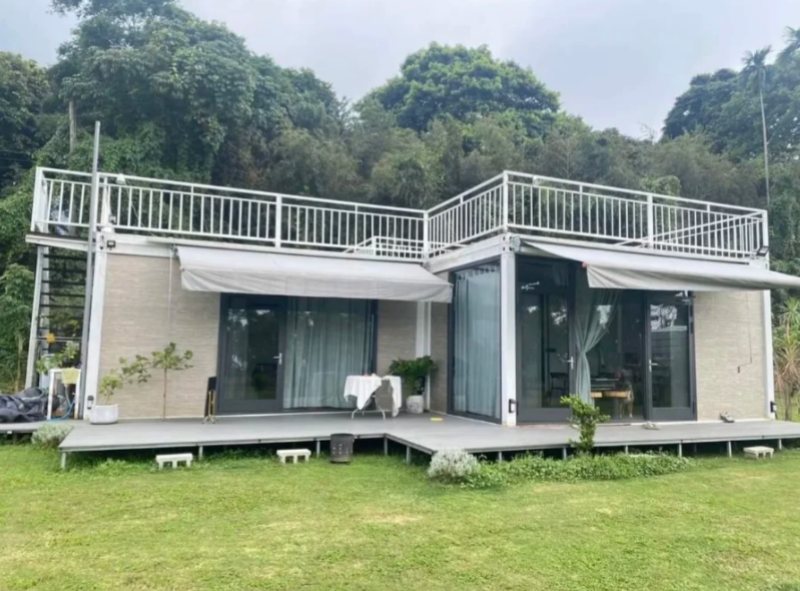
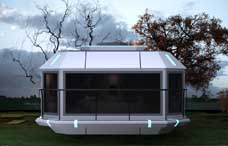
A container granny flat is a small,self-contained residential unit constructed from standard shipping containers or custom-built light steel structures.Typically situated in the backyard of a main residence,these units range in size from 20 to 60 square meters.They offer exceptional flexibility,serving not only as independent living quarters for parents or relatives but also as potential properties for Airbnb or short-term rentals.
Compared to traditional brick-and-mortar homes,the primary advantages of container granny flats are their rapid construction speed,lower cost,portability,and customizability.For instance,a standard 40-foot container—following simple modifications—can be equipped with a separate bedroom,kitchen,and bathroom facilities,with installation typically completed within 4 to 6 weeks.
In contrast,a traditional brick cottage would take at least several months to construct.Furthermore,you can tailor the layout and interior design to suit your specific needs—whether you prefer a modern minimalist aesthetic or a cozy rustic style,the possibilities are easily realized.
In Australia,regardless of whether you choose to purchase a pre-fabricated container home or undertake a custom conversion,you must strictly adhere to local laws and regulations by obtaining the necessary approvals.Failure to do so renders your installation illegal and may result in regulatory violations and fines down the line.
To install a container granny flat in Australia,you will need to apply for several specific approvals,primarily falling into the following categories:
Obtaining Development Approval is the most critical step in the process of installing a container granny flat.Its primary purpose is to ensure that your proposed structure complies with local planning requirements and land-use regulations,and that it will not have any adverse impacts on neighboring properties.When applying for a Development Application(DA),the following materials are typically required:
Proof of land ownership
Site plan(indicating distances from the main residence,fencing,and neighboring properties)
Specifications regarding the building's exterior appearance and materials
Environmental Impact Assessment
The approval timeframe for a DA varies by state and municipality,generally taking between 2 and 8 weeks.If your dwelling is relatively small(e.g.,<60 square meters),some regions offer streamlined or expedited approval processes,allowing you to proceed to the construction phase more quickly.
Regardless of how modern or compact the exterior of your container-based granny flat may appear,it must fully comply with the Australian Building Code(BCA/NCC).A Building Permit primarily serves to ensure the structural integrity of the dwelling,compliance of water and electrical systems with regulations,and the proper implementation of fire safety measures.When applying for a Building Permit,the following are typically required:
Construction drawings(provided by a registered architect or engineer)
Materials list and structural specifications
Electrical and plumbing layout designs
Safety and fire protection plans
The review process for a Building Permit typically takes 2 to 6 weeks;construction cannot officially commence until this approval has been granted.It is important to note that if you choose to install major equipment within the container(such as water heaters,air conditioning systems,or solar panels),additional safety approvals may be required.
If your container-based granny flat requires independent utility connections,you must apply for connection permits from the relevant authorities.This includes:
Connection to mains water supply and sewage disposal(must comply with local water authority requirements)
Electricity connection(must be installed by a registered electrician and submitted for inspection/certification)
Some regions may require specific stormwater harvesting or wastewater treatment solutions,particularly in remote or rural areas.
Contacting the electricity and water utility providers in advance—prior to installation—can help prevent issues regarding connection access once construction is complete.
Zoning Compliance:Some regions impose strict restrictions on the size or placement of ancillary dwellings(such as granny flats)located in backyards.
Heritage Approval:If your property is situated within a designated heritage conservation area,you must obtain prior approval.
Temporary Use Permit:Applicable for short-term installations—for example,when the structure is intended for use during family gatherings or as a temporary rental unit.
The application procedures for installing container-based granny flats vary across Australia's different states.To help you better understand the specific requirements of each state,we have compiled the following comparison table:
State/Territory | Primary Approval Types | Description | Remarks |
New South Wales (NSW) | Development Application (DA), Construction Certificate (CC) | DA reviews planning use, site coverage, and neighborhood impact; CC ensures compliance with the NCC | Small granny flats (<60㎡) are eligible for streamlined approval |
Victoria (VIC) | Planning Permit, Building Permit | Planning Permit confirms land use; Building Permit covers structural, electrical, and plumbing aspects | Ancillary dwellings may qualify for a simplified process |
Queensland (QLD) | Development Approval (DA), Building Approval (BA) | DA reviews land use and surrounding impacts; BA ensures safety compliance | Small units may fall under "Exempt" or "Self-Assessable" categories |
South Australia (SA) | Planning Consent, Building Consent | Reviews land use and building codes | Small-area projects may qualify for streamlined approval |
Western Australia (WA) | Development Approval, Building Permit | Reviews structural integrity, safety, and planning compliance | "Secondary Dwellings" may qualify for streamlined approval |
Tasmania (TAS) | Planning Permit, Building Permit | Reviews land use and building codes | Small units may qualify for a simplified approval process |
Northern Territory (NT) | Development Permit, Building Permit | Reviews safety and land use | Must comply with NT Building Codes |
Australian Capital Territory (ACT) | Development Approval (DA), Building Approval | DA reviews planning aspects; Building Approval ensures compliance with the NCC | Small ancillary dwellings may qualify for a fast-track process |
This table allows you to quickly compare the approval processes across different states,enabling you to plan your budget and construction timeline in advance.
To provide you with a clearer understanding of the entire undertaking,the following section offers a practical,step-by-step guide:
Before commencing any planning,you must first verify whether your specific property is zoned to permit the construction of an"Ancillary Dwelling"(also known as a"Secondary Dwelling"or"Granny Flat").Land zoning regulations vary significantly by region and may impose strict restrictions on backyard construction—such as limits on site coverage area,building height,or the required setback distance from the main residence.Familiarizing yourself with these regulations in advance will help you avoid unnecessary complications during the subsequent approval stages.
Container granny flats are available in a variety of standard sizes;the most common options range from 20 to 40 feet.These spaces typically accommodate a bedroom,a living area,a kitchen,and a bathroom.They are suitable for personal residential use as well as for meeting short-term rental needs.
If you desire a more spacious interior or have specific functional requirements—such as an L-shaped kitchen,vaulted skylights,or a sunroom design—you may opt for a custom-sized container home.Customization not only maximizes usable space but also allows the exterior design to be tailored to your specific yard environment,ensuring the small home blends seamlessly with the surrounding landscape.
Applying for a Development Application(DA)is a crucial step in installing a container granny flat.You will need to prepare a complete set of planning drawings,the housing design proposal,and an environmental impact statement.Requirements for DAs vary by state;some jurisdictions may require you to notify neighbors in advance to solicit feedback or mitigate potential objections.
Before submitting your application,ensure that your design complies with local land-use zoning and environmental regulations.The clearer and more comprehensive your planning,the faster the approval process will proceed,thereby avoiding additional costs later on due to design modifications.
The approval process for a Construction Certificate(CC)—also known as a Building Approval(BA)—focuses on ensuring that the home's structural integrity,electrical systems,and plumbing meet the standards of the National Construction Code(NCC/BCA).When applying for a CC,you must provide detailed construction drawings,including structural specifications,a materials list,and fire safety measures.
If your container home involves specialized materials or large-span structural elements,it typically requires certification and sign-off by a registered engineer.You may only legally commence construction once the Construction Certificate has been granted;this ensures safety and reliability during the building process and lays the foundation for the final inspection and certification.
Before construction begins,you must contact the relevant water and electricity providers to apply for utility connection services,including water supply,electricity,and sewage disposal.This step is critical;failing to complete it could result in the awkward situation of having a fully built home that remains unusable.
If you plan to incorporate solar power or rainwater harvesting systems,these must also be planned for in advance.Coordinating all necessary services ahead of time not only saves construction time but also helps avoid the additional costs and complications associated with retrofitting later on.
During the construction phase,the installation should be carried out by qualified contractors in strict accordance with the approved drawings.The entire process typically takes 4 to 8 weeks;the exact timeframe will vary depending on the size of the structure,the degree of customization,and specific site conditions.
During construction,you can monitor key details—such as wall anchoring,ground drainage,and electrical wiring—to ensure that every component complies with safety regulations and design specifications.Effective construction management not only guarantees the structural quality of the home but also enhances the comfort of the living experience once you move in.
Once construction is complete,the local Council will conduct a final inspection to verify that the structure meets all building codes and safety standards.Upon passing this inspection,your container-based granny flat is officially ready for use—whether it is intended as a residence for your parents or as a short-term rental property.
Before moving in,you can customize the interior and exterior styling to suit your needs—adding features such as sun-shading devices,greenery,or indoor furniture—to make the container home both comfortable and aesthetically pleasing.This independent space not only provides a private living environment for family members but also serves as a flexible,multi-purpose living corner within your backyard.
Installing a container granny flat is more than just a practical solution to housing needs;it represents an upgrade to your lifestyle.It offers a wide range of potential uses and can even generate significant financial returns for you.
Family Living:Allows parents to live independently,minimizing potential household conflicts while ensuring they remain close enough to receive care and assistance whenever needed.
Short-Term Rentals:A fully equipped container home(typically 30–50 square meters)featuring a kitchen and bathroom can be rented out for$150–$300 per night,potentially recouping your initial investment in just three to six months.
Home Office or Studio:For freelancers or entrepreneurs,a backyard container unit serves as a quiet,dedicated workspace,free from the distractions of the main household.
Holiday Retreat or Leisure Space:By adding large windows and a small deck,the unit can be transformed into a private family holiday cabin,offering both comfort and seclusion.
Imagine a hot summer afternoon:you are sitting on the deck of your container home,sipping tea,while your parents—just across the yard—are taking their afternoon nap inside their unit.The entire family space functions in perfect harmony;this lifestyle—offering both independence and mutual support—brings a deep sense of warmth and contentment to the heart.
Is a Development Application(DA)required for all areas?
Not all areas require a Development Application(DA).For container-based granny flats that are small in size,temporary,or ancillary in nature,some states or local councils may allow for a streamlined approval process or grant an exemption from the DA requirement;however,specific requirements must be confirmed by consulting with your local council.
How long does the approval process for granny flats typically take in Australia?
Generally,a Development Application(DA)takes 2–8 weeks to process,while a Construction Certificate(CC)or Building Approval(BA)takes 2–6 weeks.Approval times can vary significantly depending on the specific state and local council involved.
Approximately how much does it cost to install a container-based granny flat?
Fees for a Development Application or Building Approval typically range from AUD$500 to$3,000.Costs for connecting utilities(water and electricity)can range from a few hundred to several thousand dollars,depending on the distance to existing infrastructure and the specific facilities required.The overall cost for a custom-built container home typically falls between AUD$8,000 and$35,000,depending on the size and internal specifications.
What factors should be considered during the construction of a granny flat in Australia?
It is crucial to select an experienced contractor to ensure structural integrity and construction safety.Whenever possible,avoid scheduling construction during the rainy season to prevent delays in the installation timeline.Additionally,you should plan ahead regarding drainage,ventilation,natural lighting,and the internal layout to ensure a comfortable living environment once the unit is occupied.
Once you have decided to purchase a container home,it is imperative to verify that your chosen granny flat complies with Australia's specific building codes and safety standards.Only container homes that meet local regulatory standards can successfully pass the necessary approval and inspection processes,thereby guaranteeing long-term safety and structural integrity.
WZHhouse boasts over 20 years of experience in exporting container homes to Australia;all our container units fully comply with Australian regulations,and we offer comprehensive customization services.By choosing WZHhouse,you benefit from the following advantages:
Regulatory Compliance:All our container-based granny flats strictly adhere to Australian building and safety standards.
Customization Services:We can tailor floor plans,internal layouts,and exterior designs to meet your specific family requirements.
Extensive Experience:With over 20 years of international export experience,we are well-versed in the approval processes across various Australian states.
High-Quality Materials:We utilize premium-grade steel and eco-friendly materials to ensure both durability and occupant comfort.
Rapid Delivery:Our professional production and logistics systems ensure timely delivery and installation.
Tip:Choosing an experienced,compliant,and reliable container house supplier can effectively mitigate approval risks and save installation time,while simultaneously ensuring a safe and comfortable living experience.
When installing a container-based granny flat in Australia,you must master three core steps:obtaining a Development Permit,securing a Building Permit,and obtaining approvals for utility(water and electricity)connections;additionally,you must remain flexible and adapt your process according to the specific policies of each state.By planning your land usage in advance,selecting the appropriate container type,and submitting a complete application,you can not only ensure a smooth installation process but also transform your container home into a value-adding asset for your family life.
A container-based granny flat does more than just solve the problem of limited living space;it allows you to enjoy a flexible,multi-functional,and independent living environment.Whether serving as a private residence for aging parents,a short-term rental unit,or a personal studio,it offers an efficient,cost-effective,and comfortable solution.



Copyright © Hebei Weizhengheng Modular House Technology Co., Ltd. All Rights Reserved
Sitemap

 +8615081877521
 +8615081877521