- icy@wzhgroup.com
- +86 15081877521


If you have been researching prices for 20ft expandable container houses,you have likely noticed significant variations in quotes from different suppliers.
Some manufacturers quote under$6,000,while others quote$12,000,$15,000,or even more.
So,what is the actual price of a 20ft expandable container house?More importantly,what is typically included in the quoted price?
This article provides a detailed analysis of current market price ranges,key factors influencing costs,and the overall budget considerations needed before purchasing,helping you gain a clearer understanding of the procurement costs for these homes.
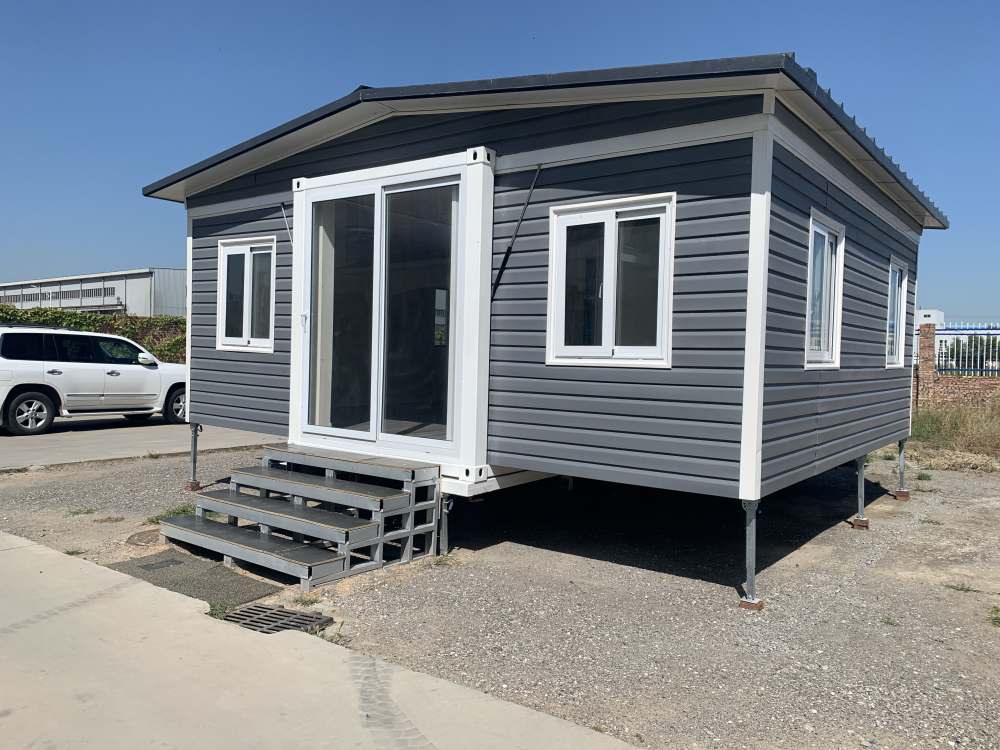
Most 20ft expandable container houses range in price from$6,000 to$15,000,depending on structural configuration,insulation systems,interior finishes,electrical systems,and customization requirements.
Many buyers assume that the house's dimensions determine the price,but this is not the case.
Two 20ft expandable houses that look nearly identical from the outside can differ in price by thousands of dollars.
This discrepancy arises from significant differences in the materials,structural standards,and configuration levels used by different manufacturers.
| Model Type | Estimated Price Range (USD) | Ideal For |
|---|---|---|
| Basic Model | $6,000 – $8,000 | Temporary housing, worker camps, construction site offices |
| Standard Residential Model | $8,000 – $12,000 | Family homes, vacation cabins, Airbnb rentals |
| High-End Custom Model | $12,000 – $15,000+ | Luxury residences, resorts, commercial projects |
For most residential users,the standard residential configuration typically offers the best value for money.
These models generally include insulated wall panels,door and window systems,electrical wiring,lighting fixtures,and basic bathroom facilities,meeting the needs of daily living.
Prices of 20-foot expandable container houses with different configurations
The primary reason for price variations in 20ft expandable container houses is the difference in configuration;these configurations directly determine the intended use cases for the units.Below is an overview of the configurations and intended uses for 20ft expandable container homes across different price ranges,designed to help you select the right configuration for your specific needs.
This price range typically covers the low-cost products most commonly found on the market.
However,a closer look at the specifications reveals that these products are designed primarily to meet basic functional needs.They are well-suited for applications such as construction site dormitories,temporary offices,guard booths,or emergency shelter projects.
To keep costs down,manufacturers generally use standard structural designs and basic insulation materials,with relatively simple interior fittings.Some products may only provide pre-wired electrical connections rather than fully equipped bathrooms or kitchens.
If you have a limited budget or the project is intended for short-term use,this price range should suffice.However,if you plan for long-term residency,you may need to invest further in insulation,bathroom facilities,or interior upgrades later on.
For most residential buyers,this price range is often the most attractive option.
Within this budget,the unit transcends a simple enclosure to offer comprehensive living functionality.It is suitable for use as a primary residence,a vacation home,or an Airbnb rental.
Compared to the budget versions,these units typically feature superior insulation systems,complete electrical wiring and lighting,and a private bathroom.The quality of doors,windows,and interior finishes is significantly higher,resulting in a much more comfortable living experience.
Market data shows that the majority of purchases fall within this price range,as it strikes an ideal balance between cost and user experience.
If you are planning a high-end vacation rental,a boutique holiday home,or a commercial project,you will likely encounter quotes exceeding$12,000.
The defining characteristic of these products is not necessarily a larger footprint,but rather significant upgrades in detail and comfort.
For instance,these units may incorporate polyurethane(PU)insulation systems,double-glazed windows and doors,and premium interior finishes.Clients may also opt for full kitchen setups,branded bathroom fixtures,and even integrated smart lighting and control systems.Visually,they may not differ significantly from standard expandable homes,but they offer marked improvements in long-term livability,energy efficiency,and overall quality.
For projects focused on rental operations or commercial use,a higher initial investment often translates into higher occupancy rates and better returns on investment.
Price Comparison by Configuration Level
| Configuration Level | Estimated Price Range (USD) | Typical Applications |
|---|---|---|
| Basic Configuration | $6,000 – $8,000 | Construction site dormitories, temporary offices, emergency shelters |
| Standard Residential Configuration | $8,000 – $12,000 | Family homes, vacation cabins, Airbnb rentals |
| High-End Custom Configuration | $12,000 – $15,000+ | Boutique resorts, commercial projects, long-term property investments |
The quality of the steel structure,insulation materials,door and window systems,plumbing and electrical setups,and interior finishes are the primary factors affecting the price of a 20-foot expandable container home.
When you start requesting quotes from different suppliers,you will quickly notice an interesting phenomenon:prices for seemingly identical 20-foot expandable homes can vary by thousands of dollars.
While the products may look similar in photos,a closer look at the specifications reveals a multitude of factors influencing the price.Steel thickness,insulation systems,the grade of doors and windows,and interior fittings all directly impact the final quote.
The steel structure acts as the home's skeleton,determining the stability and lifespan of the entire building.
Some manufacturers use standard galvanized steel,while others increase steel thickness or upgrade the galvanization grade to enhance wind resistance,seismic stability,and corrosion resistance.Although these upgrades raise procurement costs,they often provide superior safety and longevity for long-term use.
If your project is located in a coastal area,a region with high wind speeds,or an environment with challenging climatic conditions,investing more in the steel structure is often a wise choice.
The insulation system is one of the major factors driving price differences.
Common options on the market include EPS(Expanded Polystyrene)sandwich panels,rock wool sandwich panels,and PU(Polyurethane)sandwich panels.While they may look similar on the surface,there are significant differences in thermal insulation,fire resistance,and the long-term user experience.
If the house is intended for short-term stays in a mild climate,EPS sandwich panels usually suffice;however,if you plan to use it as a long-term residence,a homestay,or a vacation home,rock wool or PU insulation systems will provide a more comfortable indoor environment—albeit at a higher price point.
Many people overlook the importance of doors and windows during the budgeting phase,yet upgrading them often directly impacts the overall quote.
Standard aluminum alloy windows meet basic needs,whereas thermal-break aluminum windows with double-glazed glass offer superior thermal and acoustic insulation.This difference becomes particularly noticeable during actual use in cold or hot climates.
In other words,doors and windows affect not only the initial purchase price but also future energy costs.
Standard configurations vary by supplier.Some quotes cover only basic wiring and lighting,while others include a complete power distribution system,socket layout,and bathroom fixtures.
When comparing quotes,do not focus solely on the bottom-line figure;it is crucial to understand exactly what is included in the price.
A plan that appears to save you two or three thousand dollars upfront might actually result in a higher total cost once you add the bathroom,shower system,lighting,and electrical installation later on.
Most factory quotes cover only the house structure itself;costs for transportation,installation,foundations,and local permits are usually calculated separately.
When you receive a quote for a 20-foot expandable container house,you might assume that figure represents the total cost of acquiring the home.
For instance,a factory might quote$8,500,making it seem like you are getting a complete house.However,once the unit arrives at your site,you will find additional expenses for shipping,foundations,hoisting,and utility connections.
So,what is included—and what isn't—in the quote for a 20-foot expandable container house?A detailed specification list is often far more valuable than a simple price figure.
Most factory quotes include the main steel structure,wall systems,roofing systems,standard doors and windows,and basic electrical configurations.Standard residential versions may also include amenities such as a bathroom,flooring,and interior lighting.
However,standard specifications vary among manufacturers;therefore,when comparing quotes,it is best to ensure the configurations are comparable—otherwise,the prices themselves cannot be meaningfully contrasted.
Transportation costs are the most easily overlooked expense.For international projects in particular,additional costs can arise at every stage—from the factory to the port,ocean freight,customs clearance,and local transport.
Furthermore,expenses such as foundation construction,crane unloading,utility connections(water and electricity),and building permits are usually the responsibility of the project owner.
If you are preparing a project budget,it is advisable to factor these costs in early rather than waiting until the house has been manufactured.Doing so helps prevent budget overruns later on and ensures a smoother procurement process.
Beyond the price of the house itself,you must consider ocean freight,inland transport,and unloading/installation fees.For most international projects,transportation costs typically range from$2,000 to$6,000.
When planning your procurement budget,remember that the house itself is often just one part of the total cost.Many people find the factory quote attractive initially,but the overall cost changes significantly once transportation expenses are added.
Shipping costs depend largely on the destination country,the distance from the port,and local logistics conditions.Shipping the same house to the US West Coast versus the Australian outback can result in a difference of thousands of dollars in final transportation costs.
For international procurement,transportation generally involves three stages:ocean freight,port handling,and local transport.Each stage incurs specific fees,so it is best to clarify the shipping plan when requesting a quote.
Reference Transportation Costs
| Cost Item | Estimated Cost (USD) |
|---|---|
| Foundation Construction | $500 – $3,000 |
| Utility Connections (Water, Electricity, Sewer) | $500 – $2,500 |
| Site Preparation & Leveling | $300 – $2,000 |
| Building Permits & Approvals | Varies by Local Regulations |
| Crane Rental & Installation | $300 – $1,500 |
If your project is located in a remote area,local transport costs could even exceed ocean freight costs;this is a factor that warrants special attention during the budgeting phase.
When buying a 20-foot expandable container house,costs such as foundation construction,utility connections(water and electricity),hoisting equipment,and local permit fees are the ones most easily overlooked.
Beyond shipping fees,certain basic configuration requirements can also increase the total cost—something you should be aware of.
Market Price Reference by Country
| Country/Region | Estimated Price Range (USD) |
|---|---|
| United States | $8,000 – $18,000 |
| Canada | $9,000 – $18,000 |
| Australia | $10,000 – $20,000 |
| New Zealand | $10,000 – $18,000 |
| Europe (Selected Regions) | $9,000 – $20,000 |
Factoring these costs into your budget early on helps avoid funding shortfalls later and ensures the project proceeds more smoothly.
In reality,the ex-factory prices for 20-foot expandable container houses do not vary significantly between countries;however,shipping costs,import duties,and local regulations impact the final landed cost.
If you search for"20ft Expandable Container House Price,"you will quickly notice differences in quotes across countries.Often,it is not the house itself that is more expensive,but rather shipping,taxes,and certification requirements that drive up the total procurement cost.
For instance,the US and Canadian markets have strict requirements regarding building safety and electrical standards,necessitating additional configuration upgrades for some projects.Meanwhile,for Australia and New Zealand,logistics costs typically account for a larger share of the total due to the greater shipping distances involved.
| Country/Region | Estimated Price Range (USD) |
|---|---|
| United States | $8,000 – $18,000 |
| Canada | $9,000 – $18,000 |
| Australia | $10,000 – $20,000 |
| New Zealand | $10,000 – $18,000 |
| Europe (Selected Regions) | $9,000 – $20,000 |
If you are comparing multiple suppliers,it is a good idea to ask about shipping options to the destination port and applicable taxes;this will give you a budget estimate that is much closer to the actual cost.
Rising costs of steel,transportation,and labor,combined with growing market demand,are the primary drivers behind the price increases for 20-foot expandable container homes.
If you looked into expandable container homes a few years ago and compare those figures with today’s market rates,you will likely notice price hikes across many products.
The most direct factor is the steel market.Since steel structures account for a significant portion of the total cost,home prices fluctuate in tandem with raw material costs.
Additionally,international shipping costs have shifted significantly over the past few years.Even as the shipping market stabilizes,overall logistics costs remain higher than they were previously.
Another often-overlooked factor is the rise in market demand.With the growing popularity of Airbnb,vacation home projects,and the need for rapid construction solutions,more people are taking an interest in expandable homes.This surge in demand has also driven up the prices of high-quality products.
For prospective buyers,focusing on product specifications and long-term value is often more beneficial than waiting for prices to drop.Ultimately,return on investment is determined by overall value for money rather than the lowest initial price.
Working directly with the factory,opting for standard configurations,and planning shipping in advance can usually help you secure a more competitive purchase price.
If controlling your budget is the priority,your purchasing strategy is often more important than simply comparing quotes.
Many projects source units through traders or intermediaries;while this simplifies the process,the price usually includes an extra profit margin.Communicating directly with the manufacturer,however,often yields more transparent pricing and more flexible customization options.
Furthermore,you do not necessarily need to aim for the highest specifications.For many residential projects,standard configurations are sufficient to meet long-term needs.Allocating your budget to the most critical aspects—such as thermal insulation and structural quality—...is more valuable than simply adding unnecessary interior features.
Transportation planning also impacts the final cost.Scheduling production and shipping in advance to avoid peak logistics periods can help reduce overall transport expenses.
The price of a 20-foot expandable container home typically ranges from$6,000 to$15,000,but the cost is determined by more than just the unit itself.
When planning your project,look beyond the factory quote to consider expenses for transportation,installation,foundation work,and local permits.Understanding the full cost breakdown allows for a more accurate budget assessment and helps you select the solution that best meets your needs.
Rather than focusing solely on the lowest price,prioritize build quality,specifications,and long-term value.For most projects,an expandable home with a well-planned layout and reliable structure offers a superior return on investment and a better user experience.



Copyright © Hebei Weizhengheng Modular House Technology Co., Ltd. All Rights Reserved
Sitemap





 +8615081877521
 +8615081877521